






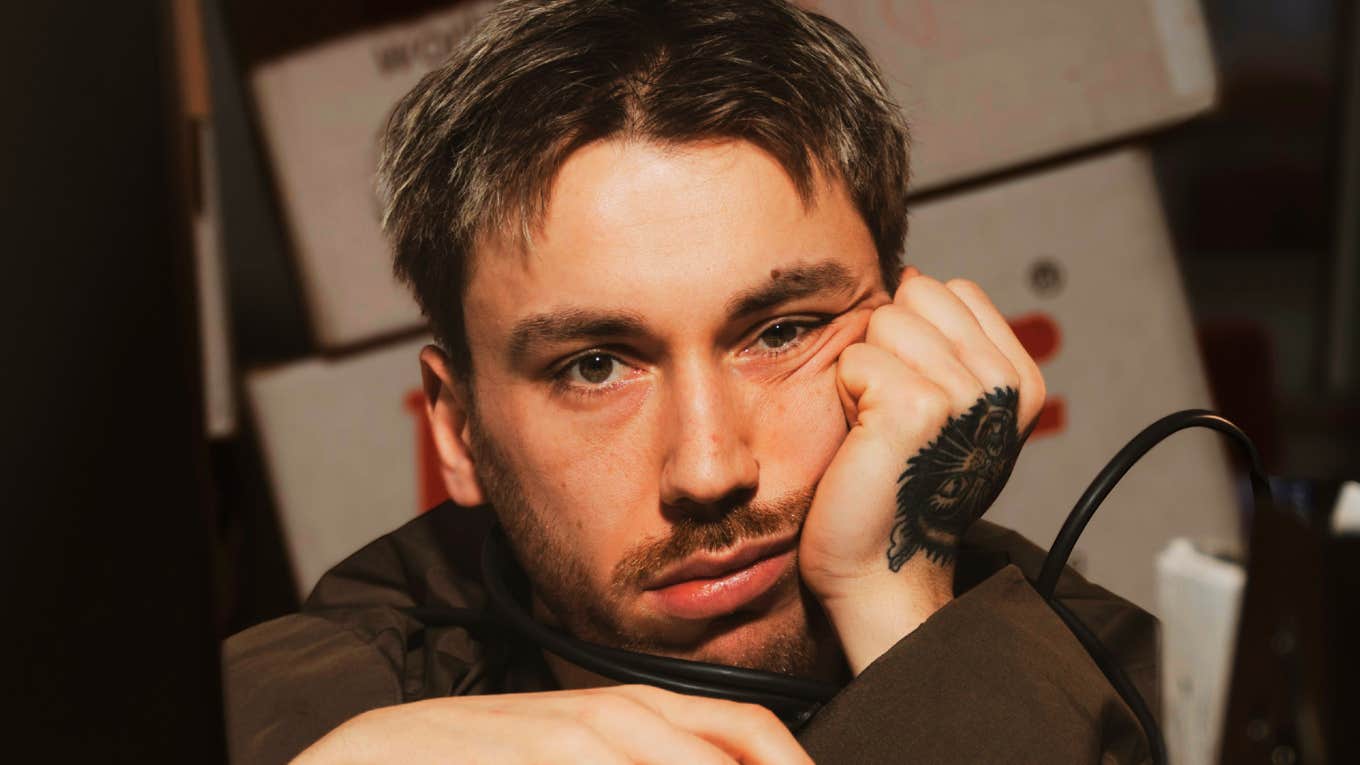


While being a mental & emotional ‘loser’ is generally a targeted, disrespectful, and mean-spirited label used most often by people battling their own need to project insecurity and defeat, the true nature of the phrase is rooted in underachievement. It comes down to mindset: do you have a “growth mindset,” aspirations, or confidence and security in yourself? Suppose we re-imagine a loser as someone who approaches life negatively and pessimistically, sabotaging their success and happiness.
In that case, there are a few casual phrases the biggest mental & emotional losers say too often in casual conversation. The biggest losers tend to remain stagnant because they cannot take responsibility for their mistakes or grasp control of their own lives. They take a back seat by blaming others, shying away from challenges, and isolating themselves from healthy relationships.
Mental & emotional losers often say these phrases casually in everyday life:
1. ‘It’s not my fault’
 New Africa / Shutterstock
The most significant trait of a mental & emotional loser is their inability to take accountability and responsibility. They put their relationships at risk with a tendency toward blame-shifting and a misguided sense of victimhood. Instead of showing up and supporting themselves and their relationships, they prefer to take a back seat in their own lives, making excuses for why they “can’t” rather than approaching uncomfortable or challenging situations with an aura of optimism.
2. ‘I can’t do it’
 Srdjan Randjelovic / Shutterstock
According to research by Stanford University, your mindset shapes your life and reality. When we’re positive, optimistic, and open to growth, we tend to live happier, more balanced lives. On the other hand, when we approach our lives from a negative perspective, failing to take accountability and blaming others for our shortcomings, we live under a misguided truth that something is always missing.
Many of the phrases the biggest mental & emotional losers in life say way too often are motivated by this negative outlook on life, low self-esteem, and a tendency toward making excuses. When we reassure ourselves that “we can” do hard things and challenge ourselves without breaking down from judgment, aligning ourselves with internal fulfillment rather than external validation, living a happier life without changing our entire routine is possible.
3. ‘Nothing is ever fair’
 Srdjan Randjelovic / Shutterstock
While it might be a harsh lesson to learn in adulthood for people who avoid taking accountability in their own lives, understanding that life is never truly fair is important and necessary for growth. The more willing we are to own up to our mistakes and grasp our autonomy over our happiness and success, even with a mindset shift, the healthier our emotional self-esteem and relationships will become.
4. ‘You owe me’
 Srdjan Randjelovic / Shutterstock
Many mental & emotional losers yearn for validation and praise from others, fueled by a sense of entitlement without having supported anyone or achieved anything tangible, and feel they’re owed something by the people in their lives. This not only isolates them from genuine connection, but it often sparks a toxic cycle of disappointment and attention-seeking behavior.
According to Arlin Cuncic, author of The Anxiety Workbook, this entitlement often starts in childhood, when a child’s needs are consistently unmet, or they’re not supported emotionally. When it continues to manifest in adulthood, many people rely on phrases like this to avoid expressing gratitude and genuinely connecting with people, further fueling their fear of rejection.
5. ‘I don’t have time for that’
 Ekateryna Zubal / Shutterstock
Many people make excuses for their stagnation because they fear criticism and judgment. While this anxiety doesn’t inherently make someone a mental & emotional loser, taking it to the extreme of pushing away relationships, missing out on commitments, and isolating yourself from healthy communication can be a harmful means of self-sabotage that impacts everyone in your life.
6. ‘They just got lucky’
 Perfect Wave / Shutterstock
People who don’t feel like they have a grasp on their own lives or prefer to avoid accountability often attribute other people’s achievements to pure luck rather than skill or perseverance. This habit usually stems from low self-esteem or insecurity, impacting relationships with others, who often take the brunt of their blame-shifting behaviors.
Low self-esteem also tends to spark procrastination and self-sabotage, as experts from Mass General Brigham suggest. Not only do mental & emotional losers view their productivity and success as outside of their control, but they also intend to break down other people’s achievements with comments about connections or sheer luck to delude themselves about their own superior worth.
7. ‘I’m too tired’
 Starocean / Shutterstock
According to psychologist Susan Krauss Whitbourne, many mental & emotional losers consistently make excuses for their mistakes and operate from fear. They’re anxious about taking accountability and control but also motivated by a fear of failure in their relationships and lives.
Suppose they try something new or put themselves in a challenging situation. In that case, they’d prefer to avoid discomfort and perceived failure at all costs, rather than growing and learning in a new environment. By making excuses to the people in their lives, they can protect that sense of comfort that drives their self-worth and security.
8. ‘Nobody cares about me’
 PeopleImages.com – Yuri A / Shutterstock
While they may get a bad rap, many of the biggest losers and critics of others were bred into negative thought processes by their parents and sparked by their childhood experiences. Experts at Sage Neuroscience Center contend that everyone has an inherent drive to survive, from our ancestors’ hunting and gathering to our current lives in diverse relationships.
We want to feel heard and understood, but when we’re incapable of being there for ourselves, it can feel disorienting when other people support us. Thus, emotional losers cope with this disillusionment by bringing other people down to their level and sabotaging relationships in ways that leave them feeling isolated & bitter.
9. ‘If I was like them, my life would be so much better’
 Face Stock / Shutterstock
Comparison culture is a toxic cycle that tends to affect even the most secure people, especially with the accessibility of technology and social media for younger generations of adults. According to experts from Master’s Counseling Calgary, this inherent need to compare ourselves to others often puts our emotional health at risk, sparking feelings of insecurity that are difficult to unlearn.
While the biggest losers in life are likely also struggling with this toxic comparison culture, they take it to another level — demeaning and dismissing other people’s accomplishments by suggesting they had help or connections that made it easy for them to become successful. Even in their inner circles and relationships, emotional losers tend to avoid praising or giving compliments, distracted by their own insecurities and shortcomings.
10. ‘I could do it if I wanted to’
 MDV Edwards / Shutterstock
The biggest losers often attack and demean other people to cope with their feelings of unworthiness, often through condescending comments and outright narcissistic behaviors. Dismissing other people’s excitement is easy for them, as it exaggerates their inability to achieve.
11. ‘I’ll start on Monday’
 Budimir Jevtic / Shutterstock
While many people fall victim to procrastination in their chaotic lives, the biggest mental & emotional losers consistently avoid uncomfortable situations. They’d prefer to seek external validation by complaining about their struggles or how unfair everything is.
Rooted in a fear of failure and insecurity — traits that numerous individuals grapple with — many of these type of people pursue approval from others before actually doing anything substantial, and mental health expert Joslyn Jelinek suggests this behavior is an attempt to nourish a distorted sense of self-worth.
Zayda Slabbekoorn is a staff writer with a bachelor’s degree in social relations & policy and gender studies who focuses on psychology, relationships, self-help, and human interest stories.