









- Kids raised by parents with these toxic behaviors likely won’t visit them as adults
- 1. They have an unlikable new partner
- 2. They’re overly critical
- 3. They treat their adult children like infants
- 4. They don’t respect boundaries
- 5. They guilt their adult children into visiting
- 6. They refuse to talk about childhood trauma
- 7. They make their kids feel unheard
- 8. They refuse to take accountability
- 9. They lack empathy
- 10. They’re overly dependent on their adult children
- 11. Everything is always an argument
It’s natural for parents to experience a bit of a disconnect once their kids leave home and start their own lives. Many families struggle to maintain a healthy relationship when this happens. But when children grow up constantly frustrated by their parents’ habits, it makes them less likely to visit home when they’re adults.
They don’t want to be around the toxic behaviors their parents had. They don’t want to be criticized or guilt-tripped when they return home. They want a safe space to return to, but because that environment is harmful, they’d rather avoid it altogether.
Kids raised by parents with these toxic behaviors likely won’t visit them as adults
1. They have an unlikable new partner
 Prostock-studio | Shutterstock
For adult children with separated or divorced parents, it can be challenging to create a new family dynamic when one of their parents has a new partner. They want a supportive and comfortable environment, especially when they’re already busy with life and find it hard to get some alone time.
When these people don’t like their parents’ new spouses or partners, they may have had a bad experience with this as a child. Perhaps one or both of their parents went through partners quickly, or they bring a chaotic energy. Either way, it makes them not want to visit their parents.
2. They’re overly critical
 fizkes | Shutterstock
Overly critical people tend to hyper-focus on a person’s shortcomings as a way to deal with their own insecurities and low self-esteem. If a parent is only focused on what their children are doing wrong, offering unsolicited advice or constantly telling them they’re messing up, that gets to them over time. As adults, they know their parents won’t create the safe space they need.
At the core, if adult children don’t feel supported or comfortable, that’s going to keep them from investing time and energy into the relationship. The last thing they want is for their parents to put them down when they’re supposed to be spending quality time together.
3. They treat their adult children like infants
 fizkes | Shutterstock
Overbearing parents have a hard time with the shifting expectations and experiences of their kids when they’re entering adulthood. They feel overwhelmed by the disconnect and their lack of power over their kids’ routines. When their children are young, this overly controlling behavior can impact them in negative ways well into adulthood.
To overcompensate, they treat their adult children like kids as well, trying to solve their problems so they can feel in control and important. For parents who made their entire identity about being a parent, having an adult child who no longer needs them is disorienting, but the unhealthy ways they cope only pushes their kids further away.
4. They don’t respect boundaries
 pixelheadphoto digitalskillet | Shutterstock
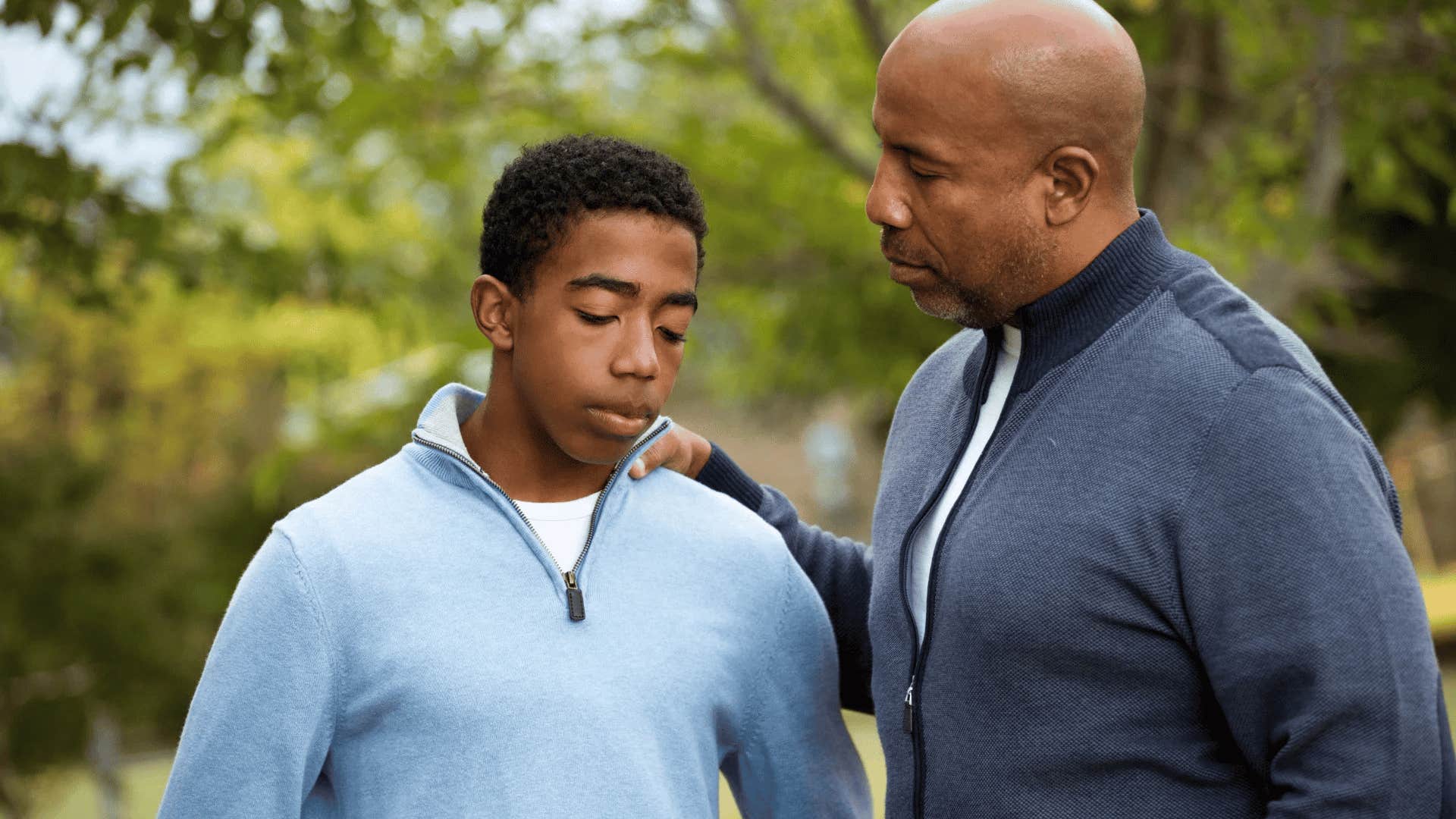
There are a number of ways parents can overstep their adult children’s boundaries, sometimes without even realizing it. They may disrespect their privacy or discuss details about their personal lives without permission. These mistakes can often be rectified, but when a parent makes it a pattern, that’s another story.
Cutting off contact with a parent isn’t a passive or fleeting decision. Like psychologist Dr. Lucy Blake says, it’s a challenging decision fueled by resentment and poor communication, but at the end of the day, it’s about protecting your well-being.
5. They guilt their adult children into visiting
 Prostock-studio | Shutterstock
According to psychologist Lynn Margolies, parents who lack self-awareness tend to rely on guilt-tripping behavior to cope with the natural disconnect of their children entering into adulthood. Rather than expressing their feelings of loneliness, they say things like “you never make time for us anymore” or “your life must be so good, you don’t need us” to guilt their kids into calling or coming over.
But trying to guilt and shame their kids for simply starting their own lives isn’t the way for them to get closer. Instead, it only pushes their adult children farther away, and they’re much less likely to want to visit.
6. They refuse to talk about childhood trauma
 Motortion Films | Shutterstock
It’s possible for a parent to emotionally support their adult child in talking about childhood trauma, even if they don’t share the same perception of the situation or disagree. However, according to a study from The Gerontologist, parents tend to note poor communication and conflict as two of the biggest drivers of tension in their relationships with adult children.
Both sides of this relationship can suffer from feeling unheard or misunderstood. When so many adult Gen Zers and millennials are starting to acknowledge the link between their current struggles and their childhood experiences, it’s not surprising that there’s more conflict around talking about childhood trauma in parent-child relationships.
It can be uncomfortable to discuss, but when parents refuse to lead with empathy and create a safe space, they’re doing more harm than good.
7. They make their kids feel unheard
 Amnaj Khetsamtip | Shutterstock
According to a 2023 study, feeling heard and understood in conversations is a pillar of healthy relationships. It helps with conflict resolution and growth, even between parents and their adult children. But when a parent offers unsolicited advice or refuses to accept their differing opinions, it drives a wedge between them.
So many people feel a pressure to stick around and tolerate misbehavior from family members. But adult children who refuse to visit their parents, especially those that continue to dismiss their needs and overstep their boundaries, take matters into their own hands. They choose to invest energy into the relationships that add value to their lives.
8. They refuse to take accountability
 ViDI Studio | Shutterstock
Parents who refuse to take accountability for their actions when their kids were young often encourage them to feel unheard and invalidated. They also tend to engage in enabling behaviors, like psychologist Jeffrey Bernstein suggests, that can sabotage personal growth and empathy in their children.
It’s important to find a healthy balance for adult children and their parents. Otherwise, both sides can interfere with the other’s life in ways that create tension and disconnection.
9. They lack empathy
 Chay_Tee | Shutterstock
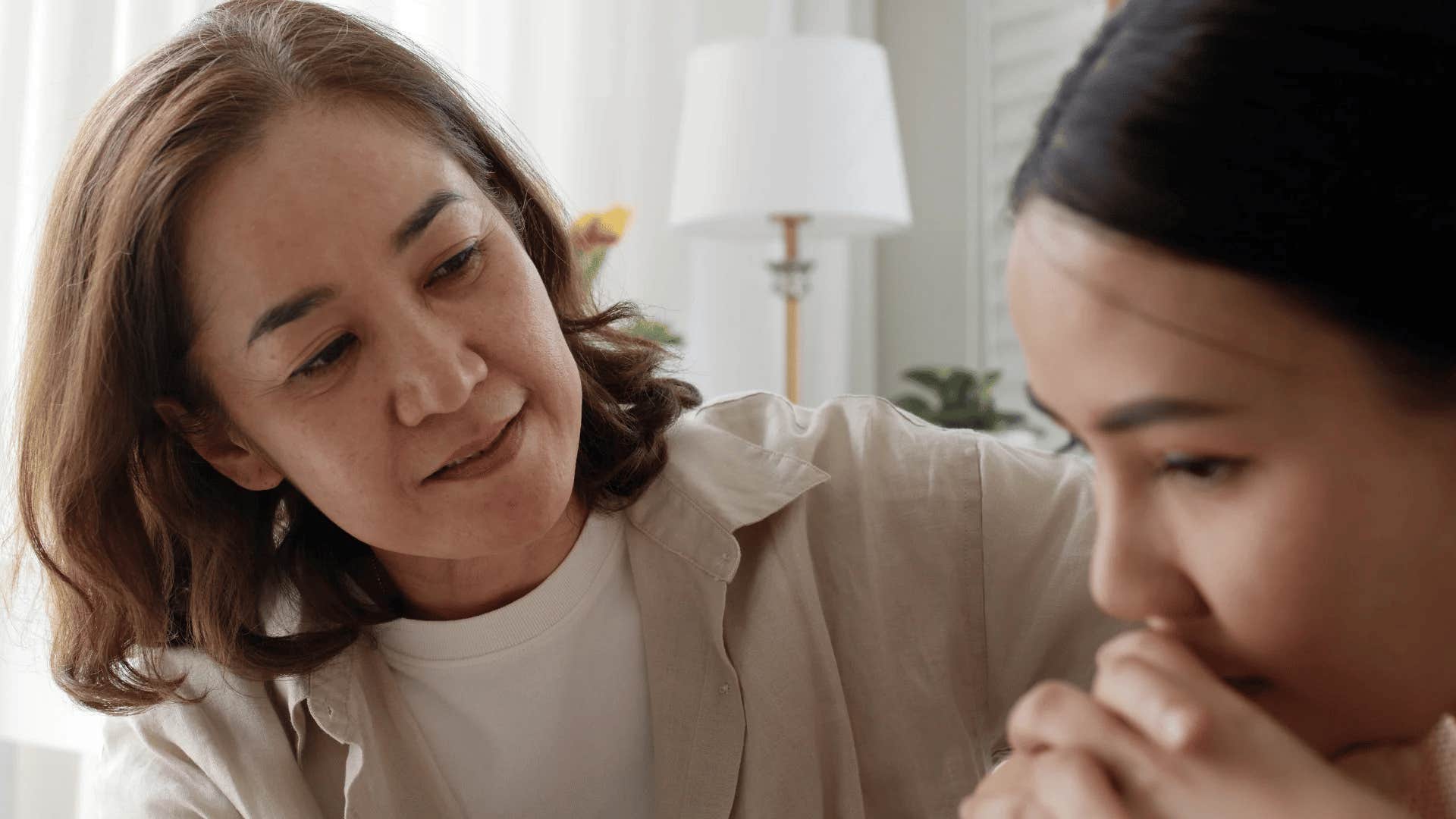
A lack of empathy can manifest in a variety of ways in a parent-child relationship. They may gaslight their kids or not listen to them at all, so it often comes back to kindness. Kids who were raised with unempathetic parents felt like they were never good enough. They never felt valued or appreciated.
Navigating the newness and change associated with early adulthood, having a stable parent and safe space at home to support is essential. But if their parents are doing the opposite, it’s sabotaging their well-being and adding stress to their lives, so they’re likely going to create distance.
10. They’re overly dependent on their adult children
 Gladskikh Tatiana | Shutterstock
Parents who lack control or self-esteem in their own routines may rely on their kids to feign a sense of normalcy. But when their kids grow up and move out, that overly dependent nature can manifest itself in more unfortunate and manipulative ways.
From trying to control their life decisions to solving their problems rather than supporting them, co-dependent parents sabotage a chance of maintaining a healthy relationship.
11. Everything is always an argument
 Pheelings media | Shutterstock
According to a 2023 study, many parents and adult children feel disconnected from each other because of poor communication. Many are even conscious of it, arguing that shifting societal norms have put a strain on their relationship. It makes it hard to have open, honest conversations.
When everything is emotional or stressful sometimes, when parents make everything an argument, they’re creating a chaotic and toxic environment for their kids. As a result, they grow up to become adults who want to stay as far away from conflict as possible.
Zayda Slabbekoorn is a senior editorial strategist with a bachelor’s degree in social relations & policy and gender studies who focuses on psychology, relationships, self-help, and human interest stories.